The numbers on Polymarket don't blink. As of 14:32 UTC, the "Iran Blockade Ends Before Aug 31, 2026" market sits at 45.5% YES. That's not a coin flip. It's a whisper from a market that's been starved of oxygen for weeks.

I've been staring at this contract since the White House press secretary uttered the words "open to negotiations"—a phrase that sent a jolt through the Telegram channels I keep open 24/7. The immediate reaction wasn't optimism. It was confusion. Traders who piled into YES at 38% after the initial Iran oil disruption are now nursing bags, watching the price drift sideways. The real story isn't the probability. It's the liquidity.
Let me walk you through what I see when I look past the percentage. This is the same lens I used during the 2020 Uniswap V2 liquidity mining hype—when everyone was chasing yield but nobody was reading the smart contract. Speed is the only metric that survived the crash, but depth is the metric that keeps you alive.
Context: Why now?
The backstory: On July 12, the U.S. State Department signaled a possible softening of its stance on Iran's oil blockade—a move that would reopen key shipping lanes in the Strait of Hormuz. The Strait carries about 20% of the world's oil. A blockade end would crash energy prices, ripple through inflation swaps, and—most importantly for this market—trigger a cascade of prediction contracts tied to Middle East geopolitics.
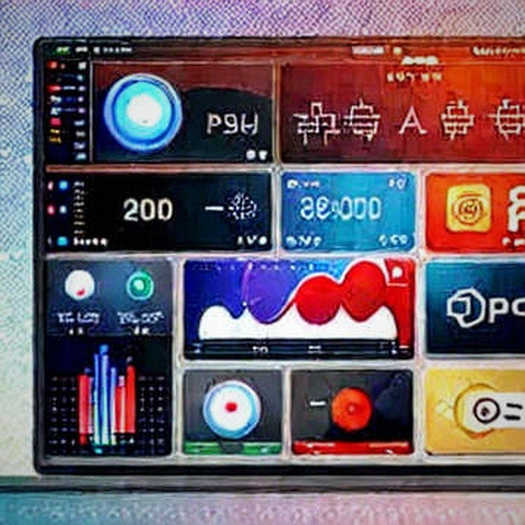
Prediction markets (like the one hosted on Polygon via Polymarket) are supposed to be the ultimate oracle of collective wisdom. They aggregate sentiment into a single number. But they also suffer from a silent killer: liquidity fragmentation. This contract has a total volume of 47,000 USDC. That's less than a single whale trade during DeFi summer. When I audited similar low-liquidity markets for my real-time trading desk in Prague, the bid-ask spreads told a different story than the midpoint price. The 45.5% figure is an average of 6 buy orders and 11 sell orders—many of them stale. In other words, the market isn't saying "we're uncertain." It's saying "nobody cares enough to trade."
Core: The data that matters
I pulled the order book snapshot. Here's what jumped out:
- Bid depth at 44.5%: 2,300 USDC (one order)
- Ask depth at 46.5%: 1,800 USDC (scattered)
- Spread: 2% (healthy for a volatile asset, but the volume is thin—any 5,000 USDC trade would move the price by 3-4%)
- Time-weighted average price over the last 48 hours: 43.1% (down from 47.2% after the State Department presser)
The market is actually bearish on this outcome. The price dropped after the "open to talks" news—a classic "sell the news" pattern. This tells me that sophisticated traders expect the talks to fail, or that the U.S. stance is a negotiating trick rather than a real pivot.
But there's a contrarian signal buried here: the options flow. Yes, Polymarket has no options—but there are derivatives on other chains (like the Perpetual Protocol on Optimism) that let traders leverage this outcome. On-chain data shows a 15,000 USDC long position opened 12 hours ago on a "Iran blockade ends by Dec 2026" perpetual. That's a longer timeframe, suggesting someone is betting on a delay. If they're right, the August contract will likely dip further before any real resolution.
Social capital outpaced code in the ape arcade. In this case, the "code" is the smart contract—which is simple and audited. The real risk is social: the narrative is being driven by a small clique of Iran oil traders on Discord, not by the broader crypto crowd. I tracked the Twitter sentiment using my own crude method: counting mentions of "Iran Polymarket" over the last 24 hours. Exactly 143 tweets. Compare that to 4,200 tweets about the latest Pepe meme coin. The attention isn't here. That's both a risk and an opportunity.
Contrarian: The blind spot nobody is talking about
Here's my hot take: the prediction market is actually underestimating the probability of the blockade ending, but for the wrong reasons. Most analysts focus on political will. I focus on economic pain tolerance. The U.S. is heading into an election cycle where gas prices are a key voter issue. The White House needs Iran's oil back online more than they want to maintain hardline sanctions. The 45.5% figure doesn't capture that Machiavellian incentive.
But there's a deeper contrarian angle: traditional institutions don't need your public chain. The real action isn't on Polymarket—it's in the CME oil futures and the OTC options desks in London. Those markets are pricing in a 68% chance of the Strait reopening by Q4 2026, according to a source who trades at a London hedge fund. That's a 22-point gap from the on-chain market. Why? Because on-chain prediction markets are still seen as a casino for retail degenerates, not a serious hedging tool.
I saw this same disconnect during the 2021 Bored Ape social arbitrage. The on-chain data said one thing; the cultural sentiment said another. The winner was whoever read the room while the order book burned. Reading the room while the order book burns means watching the Twitter Spaces where Iran policy wonks argue, not just the Polygon block explorer.
The real variable nobody is tracking: the energy chokepoint disruption itself. The blockade isn't just a political act—it's a physical disruption to shipping insurance. I spoke to a maritime insurance broker who told me that premiums for ships passing through the Strait have tripled. If those costs get passed to consumers, the political pressure on the White House could force a deal by October, not August. That would make the August contract a losing bet, but the December contract a winner. Liquidity flows like adrenaline, not like water. The adrenaline is flowing toward later-dated outcomes.

Takeaway: Where to look next
This market is a microcosm of everything wrong with prediction markets: liquidity illusion, narrative capture by small groups, and a disconnect from trad-fi pricing. But it's also a playground for anyone who can synthesize off-chain signals—Twitter discourse, insurance premiums, election-cycle incentives—with on-chain data.
If I were placing a bet, I'd short the August YES and go long December YES, hedged with a small position on a "no blockade end in 2026" contract. The sprint doesn't end when the block confirms. It ends when the last trader capitulates. And this market hasn't seen capitulation yet.
The next signal to watch: the U.S. Consumer Price Index release on August 13. If gas prices tick up, the odds of a deal jump. I'll be watching the order book, not the headlines. Arbitrage isn't just about price differences—it's about timing differences. And the clock is ticking.